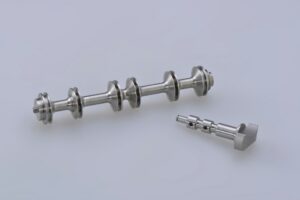
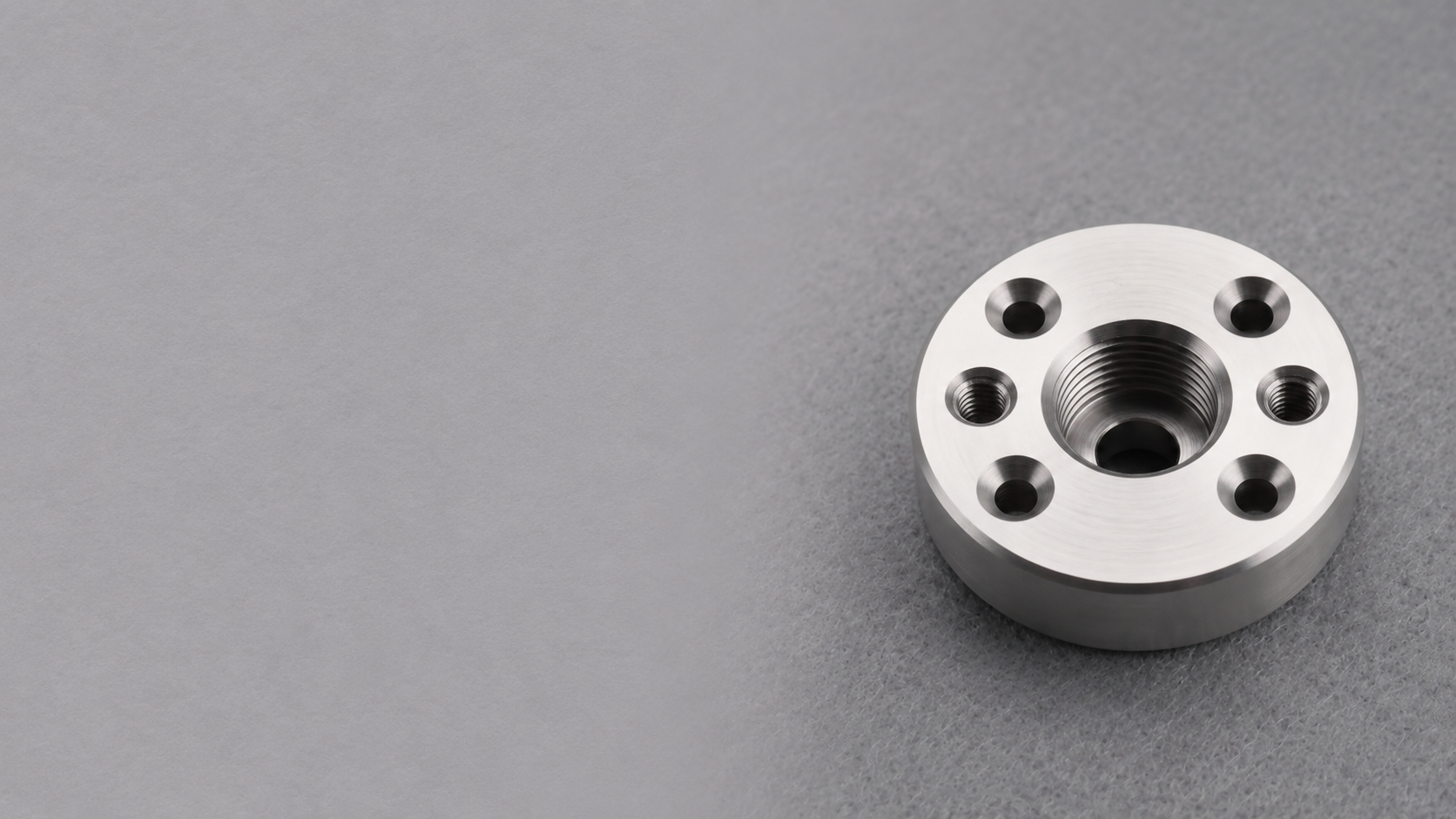

Passivation is a non-electrolytic process that typically uses nitric or citric acid to remove free iron from the surface of stainless steel. By removing this free iron— which often comes from machining tools or environmental exposure—the process allows the material’s natural chromium content to react with oxygen, forming a dense, transparent protective oxide layer. This ‘passive’ layer is what makes stainless steel truly stainless. Without proper passivation, stainless steel can experience localized pitting or surface rust in demanding environments. At AGS, our passivation processes comply with ASTM A967 and AMS 2700 standards. We handle 300-series and 400-series stainless steels, along with precipitation-hardened (PH) alloys. The treatment is essential for medical surgical instruments to ensure biocompatibility and for aerospace fluid fittings to prevent contamination. Our quality verification includes copper sulfate testing and humidity chamber exposure.
1. SPECIFICATIONS & QUALITY

Standard: ASTM A967 / AMS 2700
Chemistry: Nitric or Citric Acid
Materials300 / 400 PH Stainles
Process: Chemical Immersion
Quality Control Process
“Copper Sulfate testing and Humidity Chamber verification according to ASTM standards.”
2. SUPERIOR BENEFITS
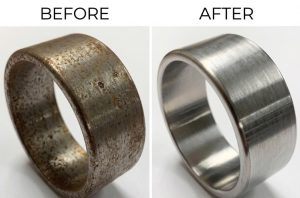
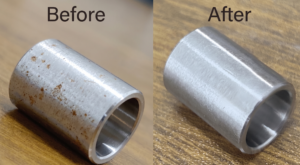
Rust Prevention
Sanitary Surfaces
Bio-compatibility
Long-term Durability
Chemical Purity
Improved Aesthetics
3. INDUSTRY FOCUS
Surgical Instruments
Food Equipment
Aerospace Fittings
Pharma Hardware
Marine Components
Cleanroom Furniture